
We are excited to offer our Inaugural Research Seminar! In this symposium, we look forward to highlighting two Keynote speakers, several presentations, posters, and abstracts.
Below you will find:
- Program of Events
- List of Presentations
- Keynote Speaker Bios
Thank you to our planning committee for organizing this event!
For questions, please contact:
Rae Johnson
Administrative Assistant III
srjohnson35@wisc.edu
Program of Events
| Time | Topic | Location |
| 7:55 – 8:00 am | Introduction to the Inaugural DOHNS Research Day | Pharmacy Building |
| 8:00 - 9:00 am | Keynote Jay Piccirillo, MD, FACS, CPI - Editor JAMA OTO Professor of Otolaryngology Head and Neck Surgery Washington University Lies, Damn Lies, and Clinical Research Moderator - David Francis | Lecture Hall 2006 |
| 9:00 – 10:15 am | Podium Talks Moderator – Tiffany Glass | Lecture Hall 2006 |
| 10:15 – 10:30am | Break | |
| 10:30 – 11:30am | Poster Presentations | Classroom 1116 |
| 11:30 -12:30 am | Lunch | Commons |
| 12:30 – 1:30 pm | Keynote Clint Allen, MD Senior Investigator, Surgical Oncology Program, NCI/NIH Development and regulatory approval of Zopapogene Imadenovec for adults with RRP Moderator - Ruth Davis | Lecture Hall 2006 |
| 1:30 – 2:00 pm | Pitch Perfect Moderator - Paula Demetrio De Souza Franca | Lecture Hall 2006 |
| 2:00 - 2:15 pm | Break | |
| 2:15 – 3:30 pm | Podium Talks Moderator – Susan Thibeault | Lecture Hall 2006 |
| 3:30 – 3:35 pm | Awards, Closing Remarks | Lecture Hall 2006 |
To download a PDF copy of the schedule, please click here.
Presentations
This is an accordion element with a series of buttons that open and close related content panels.
Morning Presentations: 9:00-10:15 AM
| Title | Presented by |
| Do articulation test scores really reflect speech intelligibility? A quantitative characterization in neurotypical children | Emily Wang |
| Botulinum Toxin Treatment for Synkinesis: Effects on anxiety and depression | Feyi Adegboye |
| Development of an operative competency assessment tool for the endoscopic endonasal transsellar approach | Aviv Spillinger |
| Comparative analysis of post-extubation dysphonia and dysphagia | Stevie Marvin |
| Overdiagnosis of Papillary Thyroid Cancer | David Francis |
| Transition from nursing to weaning in a mouse model of Down syndrome coincides with unique gene expression profiles in the tongue | Tiffany Glass |
Poster Presentations: 10:30-11:30 AM
| Title | Presented by |
| Exercise-based tongue training partially rescues Parkinsonian neuromuscular deficits in Pink1-/- rats | Denis Michael Rudisch |
| Effects of Controlled Supraglottic Pressure with Straw Phonation on Vocal Economy in Healthy Adults | Andrew Li |
| Harmony Between Hypernasality Ratings and Nasalance Scores in Spanish English Bilingual Patients with VPI | John Munday |
| Frey syndrome: A novel classification system based on symptom severity | Danae Alexandrou |
| Does patient perception align with speech perception scores throughout the first year of cochlear implant use? | Lauren Longhenry |
| Quantifying Dehydration Effects of Porcine Vocal Fold Attenuation with Optical Coherence Tomography | Michael Kuang |
| Rapid expansion of human primary vocal fold epithelial cells via targeted pathway inhibition and anchorage-independent sphere culture | Xudong Shi |
| Lumped Mass Modeling of Healthy and Disordered Vocal Folds in Normal and Chaotic Phonation | Bryn McCloskey |
| Towards Better Resolution in Auditory Implants: Tissue Engineered Neural Networks as Living Electrodes | Jordan Mumm |
| Auditory-Perceptual Validation of Acoustic Chaos Parameters in Healthy and Dysphonic Voices | Owen Wischhoff |
| Retention of Sensorimotor Adaptation to a Nonuniform Feedback Perturbation Field: A Preliminary Report | Tim Murphy |
| Perspectives on Dysphagia Management Among Geriatric Medicine Healthcare Providers: A Mixed-Methods Survey | Madelyn Savage-Black |
| Ethyl Cinnamate-Based Tissue Clearing Technique on Vocal Fold Mucosa with Vasculature Model. | Serena Gacek |
| Single-Cell Transcriptomic Atlas of Vocal Fold Injury and Repair | Junseo Cha |
| Three-Dimensional Manometry of the Upper Esophageal Sphincter in Head Turn Swallowing | Suzan Abdelhalim |
| Effects of Sustained Semi-Occluded Vocal Tract Exercises in Non-Disordered Populations | Jakob Holm |
| Spatial Transcriptomics of health and injured vocal folds | Michelle Bretl |
| Role of Piezo1 in Human Vocal Fold Fibroblasts | Se-in Kim |
| Oromotor Dysfunction in a Rat Model of Alexander Disease | Jared Cullen |
| Advanced/novel stenting for dynamic airway collapse | Elle Nuttall |
| Population Activity and Network Effects During Auditory Learning Predict Behavioral Outcomes | Gunnar Quass |
| Swallowing impairments in Down syndrome: Findings from Videofluoroscopic Swallow Study in the double transgenic [Ts65Dn;Df(17)2 and Dp(16)1;Df(16)8] mouse models at 5 months of age | Gaurav Singhal |
| Junior Resident “Key Indicator” Cases: A Method for Tracking Junior Resident Operative Readiness | Sophia Colevas Sovinski |
| Implications for Cochlear Implant Evaluation Protocol: Testing with Verified Clinic Hearing Aids During Cochlear Implant Evaluation Yields Significantly Higher Speech Perception Scores for the Majority of Patients | Rachel Jocewicz |
| Is Collagen the Culprit? Examining Influence of Tongue Exercise on Markers of Fibrosis in a Translational Rat Model of Chemoradiation Therapy | Nicole Schaen-Heacock |
| Assessment of the Liver MRI Volumetry Protocol as a Novel Technique for Evaluation of Vitamin A Stores in Patients with Leukoplakia | Ladan Navari |
Pitch Perfect: 1:30-2:00 PM
| Title | Presented by |
| Anatomical Feature of the Monkey Larynx | Yuki Tanigami |
| The Calm After the Storm: Electrically induce Hypersynchrony May Hold back cochlear Implant Success | Gunnar Quass |
| Hidden Pollutants: Detecting Microplastics in Head and Neck Tissues | Danae Alexandrou |
| To Swab or not to Swab: That is the question in Laryngeal Microbiology | Anumitha Venkatraman |
| The influence of intervention timing on swallow function and tongue muscle contractile properties in a translational rat model of chemoradiation therapy | Nicole Schaen-Heacock |
Afternoon Presentations: 2:15-3:30 PM
| Title | Presented by |
| Defining the Role of the Microbiome in Acute Laryngeal Injury after Intubation | Ruth Davis |
| Predictors of Continued Cochlear Implant use for Adults with Single-sided Deafness: A Multi-center Retrospective Analysis | Monique North |
| Cellular Atlas of Human Vocal fold across the Lifespan | Vlasta Lungova |
| Imaging Hypoxic Regions in Head and Neck Tumors with CA9-Specific PET Radiotracer [⁶⁴Cu]DPI | Paula Demetrio de Souza Franca |
| Speech Intelligibility in Individuals with Cleft Palate: A Scoping Review | John Munday |
| Safety and Efficiency of Coblator Wedge Excision for Endoscopic Management of Idiopathic Subglottic Stenosis | Natalie Schelbar |
2026 Key Note Speakers
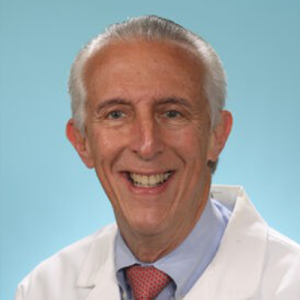
Jay Piccirillo, MD, FACS, CPI – Editor JAMA OTO
Professor of Otolaryngology Head and Neck Surgery
Washington University
“Lies, Damn Lies, and Clinical Research”
Introduced by David Francis
Bio: Dr. Piccirillo is a Professor of Otolaryngology, Medicine, Biostatistics, and Occupational Therapy at Washington University School of Medicine. He serves as Vice Chair for Research and Director of the Clinical Outcomes Research Office in the Department of Otolaryngology – Head & Neck. He completed medical school at the University of Vermont and residency at Albany Medical Center, followed by a Clinical Scholars Fellowship at Yale. He has been part of Washington University since 1992.
Dr. Piccirillo is a general otolaryngologist and a consultant for the Washington University HHT Center of Excellence and the Multidisciplinary Sleep Medicine Clinic. He is the Editor-in-Chief of JAMA Otolaryngology-Head & Neck Surgery and serves on the JAMA Editorial Board. He also participates in the Advisory Council of NIDCD.
He directs the NIDCD-supported R25 Mentored Research Pathway Program and the NCATS-supported TL1 Clinical and Translational Research Training Program. He also leads the Clinical Epidemiology and Evidence-Based Medicine course for medical students and has honored with the Samuel R. Goldstein Leadership Award in Medical Student Education.
As Principal Investigator, Dr. Piccirillo has led multiple NIH and specialty society research projects, developing and validating outcome measures such as the SNOT, SNORE, and NOSE-HHT instruments. His research now concentrates on treatments for tinnitus, sleep apnea, COVID-related anosmia, and HHT-associated epistaxis.
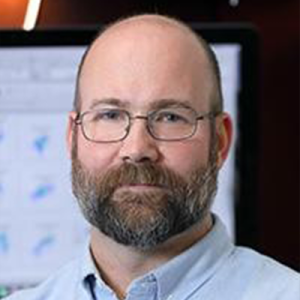
Clint Allen, MD
Senior Investigator, Surgical Oncology Program, NCI/NIH
“Development and regulatory approval of Zopapogene Imadenovec for adults with RRP”
Introduced by Ruth Davis
Bio: Dr. Allen graduated from the Texas A&M Health Science Center College of Medicine and is an alumnus of the Clinical Research Training Program (CRTP) at the NIH Clinical Center. After medical school, he received otolaryngology surgical training at Washington University in St. Louis/Barnes-Jewish Hospital and sub-specialty fellowship training in laryngological surgery at the University of Washington. While maintaining a laryngology practice and faculty position at Johns Hopkins, Dr. Allen’s initial appointment to the NIH was through the National Institute on Deafness and Other Communication Disorders (NIDCD) Otolaryngology Surgeon Scientist Program. After five years of joint Johns Hopkins and NIH faculty appointments, Dr. Allen transitioned to a full-time NIH position within the NIDCD where, in 2020, he was tenured and named Chief of the Section on Translational Tumor Immunology. After serving as Acting Head and Neck Surgery Branch Chief and NIDCD Acting Clinical Director for a period, he transitioned to the Head and Neck Section of the Surgical Oncology Program at CCR. Dr. Allen has received numerous specialty society awards and has authored over 100 peer-reviewed publications.
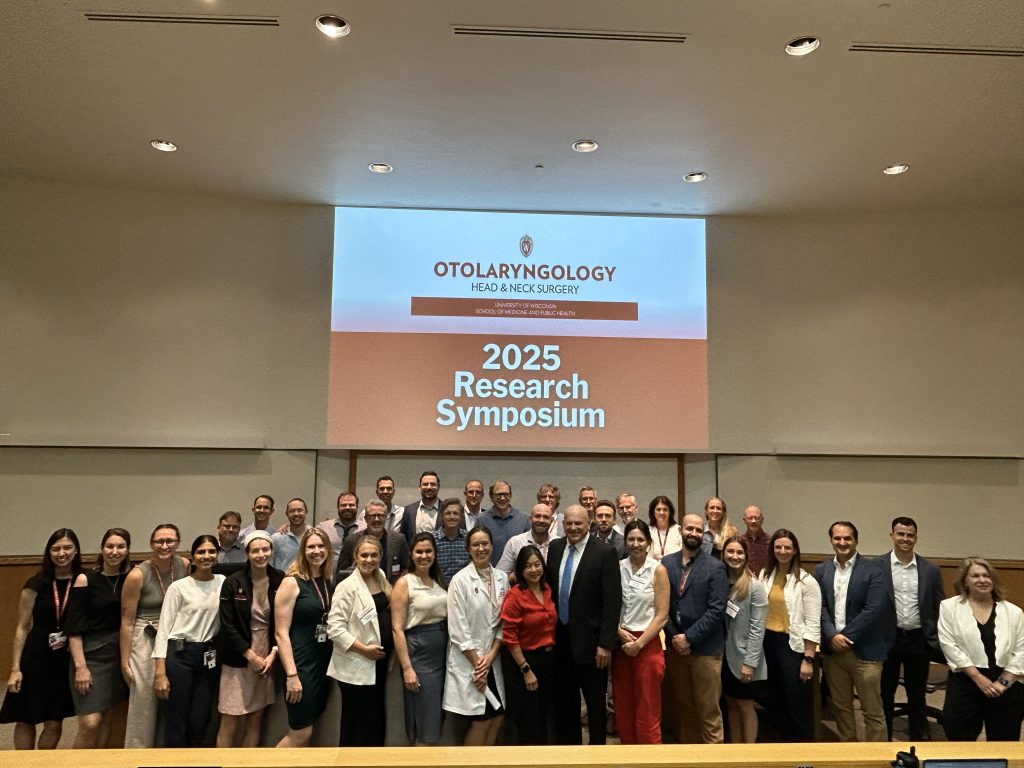 Planning Committee
- Susan Thibeault
- Lisa Sampson
- Tiffany Glass
- Jason Brant
- Paula Demetrio de Souza Franca
- Nichole Rauch
- Rae Johnson